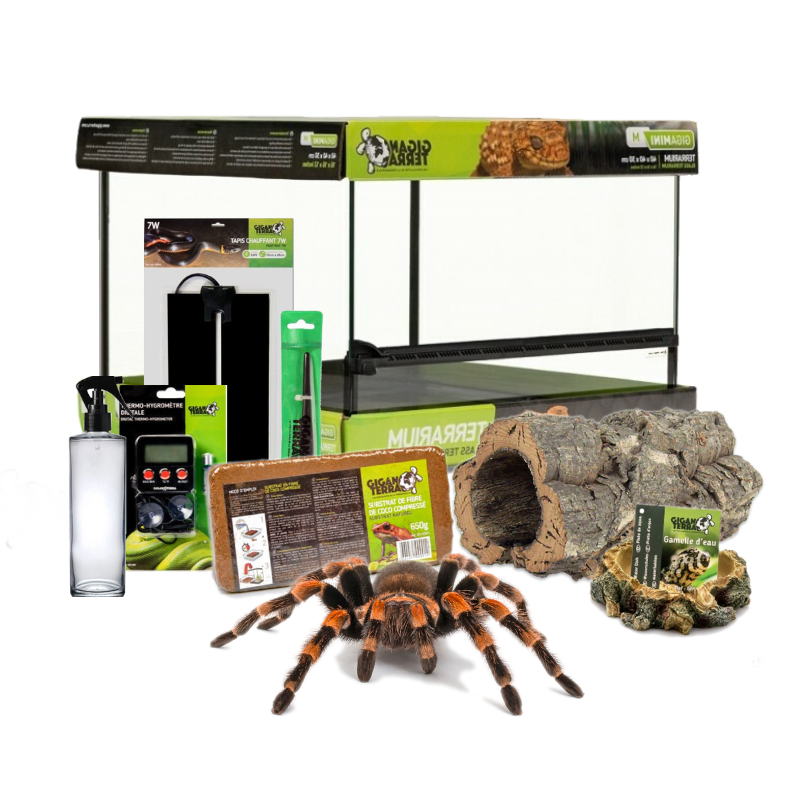
Essential care information for new and existing owners.
Life expectancy for Tarantula varies by species, typically ranging from 10 to 25 years with proper care.
Habitat
Tarantula enclosures vary depending on species type, but all require a secure, well-ventilated setup.
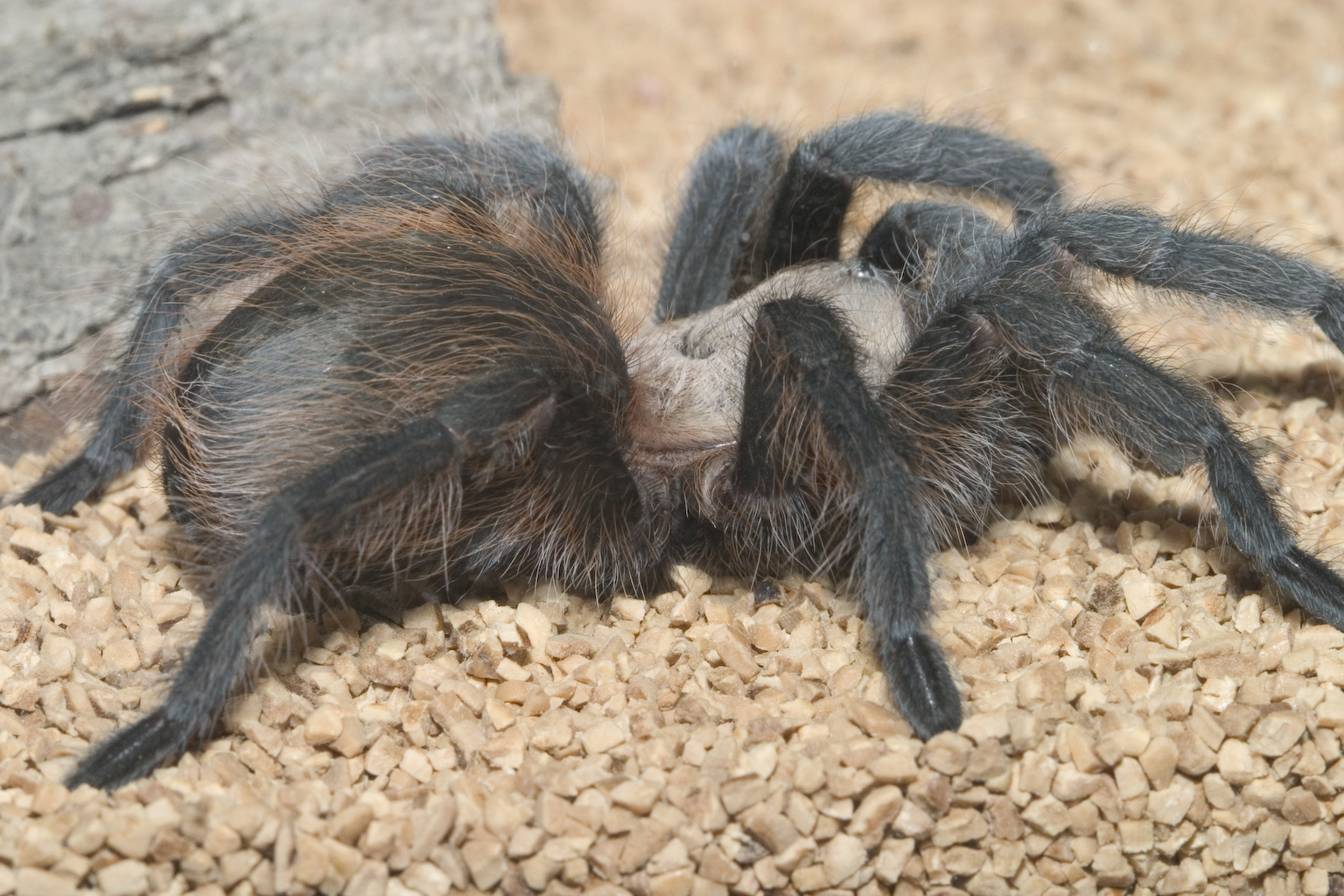
- Terrestrial species need floor space and deep substrate
- Arboreal species need tall enclosures with climbing structures
- Fossorial species require deep substrate for burrowing
Simple setups are best—avoid overcrowding decorations.
Diet
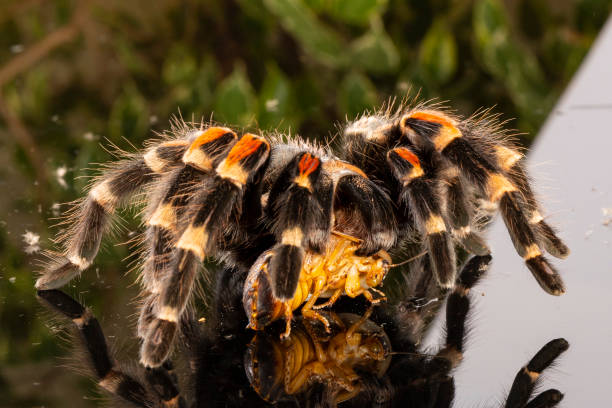
Tarantulas are carnivorous and feed on live insects.
- Crickets, roaches, and locusts
- Feed 1–2 times per week
Remove uneaten prey to prevent stress or injury.
Temperature & Humidity
- Typical range: 20–26°C
Humidity varies depending on species:
- Some require dry setups
- Others need higher humidity
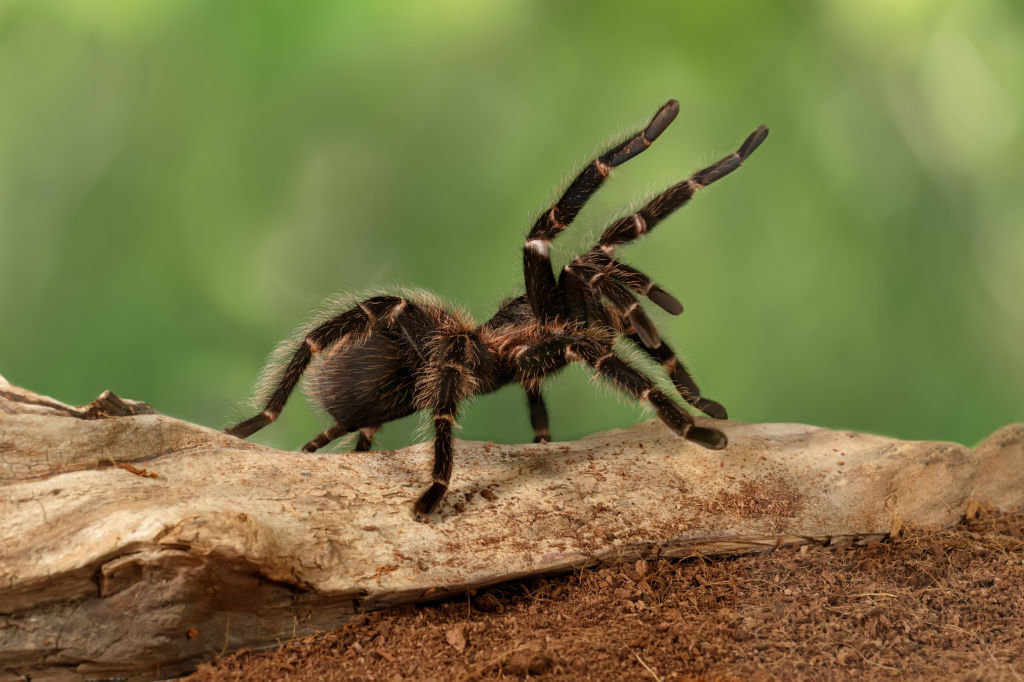
General Care
- Provide fresh water in a shallow dish
- Avoid handling (can cause stress or injury)
- Ensure enclosure is secure (escape-proof)
Tarantulas are low-maintenance but require careful, species-specific care.
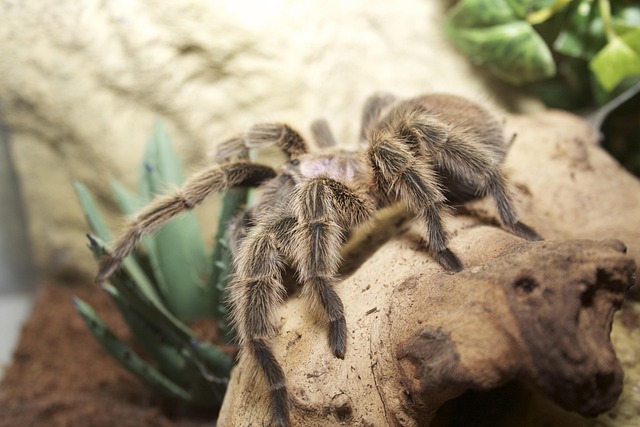
Tarantula Types
Tarantulas are generally grouped into two main categories:
- New World species: Found in the Americas, generally calmer, use urticating hairs for defence
- Old World species: Found in Africa and Asia, more defensive, faster, and have stronger venom
They can also be grouped by behaviour:
- Terrestrial: Ground-dwelling
- Arboreal: Tree-dwelling
- Fossorial: Burrowing species
Old World species are not recommended for beginners.